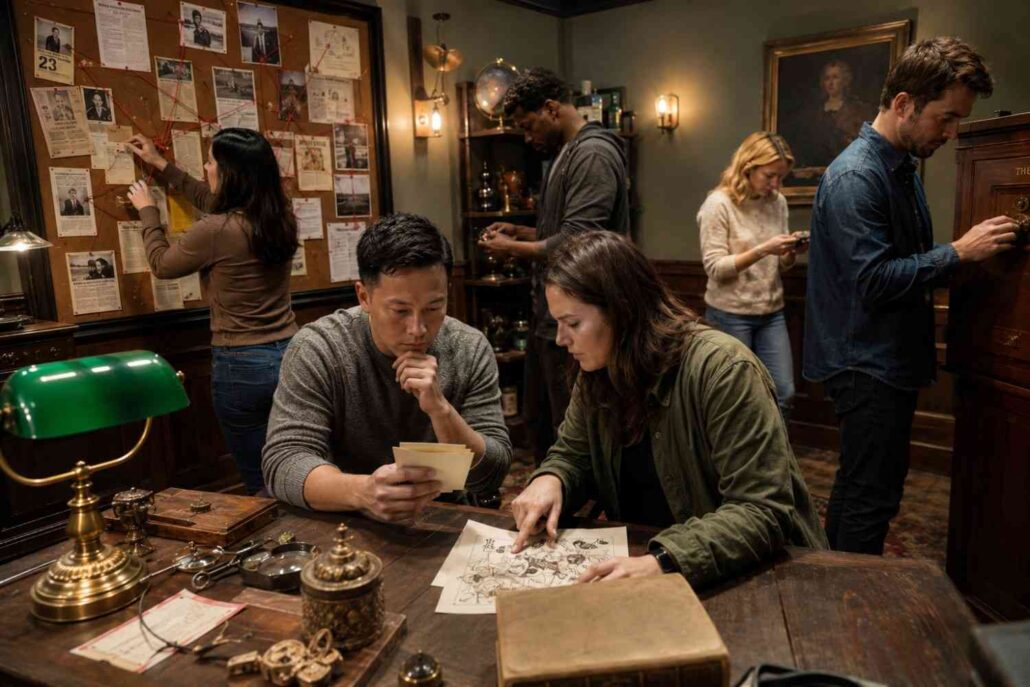
Escape room design turns a simple game into a complete world filled with stories, puzzles, props, and surprises. Every detail can guide players, build excitement, and make each challenge feel more real. Strong themes also help teams understand their mission while staying focused on the adventure.
Paranoia Quest in Buford brings these ideas to life through creative rooms inspired by laboratories, mysteries, magical lands, mines, heists, and more. Each experience blends detailed settings with interactive gameplay, giving visitors a way to think, communicate, and work together before time runs out.
Watch Creativity meets Adventure! to see how Paranoia Quest builds detailed escape room worlds through creative sets, stories, puzzles, and interactive features.
How Escape Room Design Supports the Story?
More Than Locks and Clues
A good room should do more than hide keys, locks, and clues. It should give players a reason to act. Paranoia Quest builds each game around a setting, a mission, and a story. The room helps players understand where they are, what they must do, and why time matters.
Every Detail Has a Purpose
The setting supports the main mission from the first step. Props, walls, lights, sounds, and screens shape the mood. The puzzles also fit the world around them. This makes each task feel like part of the story, not a random test. Strong escape room interior design guides players from one space to another. Doors, paths, and hidden areas can reveal new parts of the story. Immersive escape room set design adds surprise while keeping the action clear.
Skills That Bring the Story to Life
In the video, the manager shares his interest in world-building, acting, storytelling, leadership, and communication. These skills support the team’s creative work. They help shape the characters, voices, scenes, and player journey. Still, the full experience comes from many people working together.
Thoughtful escape room game design connects puzzles with the story and team goal. It can also support escape room team building in Buford because players must talk, share ideas, and move together. This careful escape room design in Buford helps turn each room into a full adventure. Players do not just solve clues. They enter a story and help move it forward.
Escape Room Interior Design in Project Genesis
Project Genesis: Serum 121 takes players into the Biogenix Corporation laboratory. The room uses escape room design to create a clear science adventure from the first step. Players join a team of skilled scientists. Their mission is to recover Serum 121 or recreate it from the research left behind. The serum may help cure many viruses.
Meet Dr. Faustus and AVA
Dr. Richard M. Faustus leads the story. He froze himself inside a chamber and took key research details with him. Players also meet AVA, the laboratory’s autonomous virtual assistant. AVA speaks through the room and guides parts of the story. Research terminals, screens, voices, and other tools make the lab feel busy and active.
The escape room game design connects each task to the main mission. Players do not face random clues. Each step helps them learn more about the lab, the serum, and Dr. Faustus.
A Laboratory That Feels Alive
The escape room design in Buford uses lab-style walls, screens, props, and sound to support the setting. Voice acting also gives the characters more life. The immersive escape room set design helps players feel like real scientists inside a closed research center. Technology supports the story without taking attention away from the team’s goal.
This detailed setting may also appeal to groups planning an escape room anniversary in Buford. The room gives them a shared mission, a strong story, and a world they can explore together.
Immersive Escape Room Set Design in Wonderland
Wonderland places players inside a magical world where time has stopped. The frozen magic clock has left the land without morning, noon, or night. The main mission sends the team toward the clock tower. Players must find a way to restore time before Wonderland stays frozen forever.
The escape room design uses bright details, playful shapes, and colorful surroundings to support the strange setting. Each area feels different from a normal room.
Surprises Around Every Corner
The escape room interior design also changes what players expect to see. A simple wall, door, or object may lead to an unexpected opening. The video shows a rabbit-hole-style transition that takes players into another part of the adventure. This moment adds movement and surprise without breaking the story.
The immersive escape room set design uses visual tricks and unusual paths to make the room feel larger and more magical. Players may think they know where a path leads, but the room can quickly change that idea.
Design That Supports the Story
Strong escape room game design links each surprise to the frozen-time theme. The room does not add strange features only for decoration. Each detail helps build wonder and keeps the team curious. This escape room design in Buford can also suit an escape room date night in Buford. Couples can explore the setting, share ideas, and enjoy each new reveal together without learning the ending in advance.
Physical Adventure and Detailed Props in The Dig
The Dig uses escape room design to turn an old mine into an active archaeological adventure. Players begin near a mining shaft and move toward a hidden temple.
The escape room interior design includes an elevator-style scene, ancient-looking artifacts, large props, and detailed scenery. A dynamite effect and physical slide add more movement and surprise.
Explore a Mine and Lost Temple
The immersive escape room set design helps guests feel like explorers, not visitors standing in one room. Pressure plates also support team action and shared choices. Strong escape room game design brings movement, puzzles, story, and scenery together. Each part supports the search for the lost temple.
This escape room design in Buford may suit groups planning an escape room field trip in Buford. However, each guest’s path may differ, and not everyone may use every physical feature.
Atmosphere and Teamwork in Origins: The Zodiac Files
Origins: The Zodiac Files begins with an old FBI file and a lead tied to a remote cabin. Its escape room design turns the investigation into a tense, story-led mission. Players start in two separate areas. This choice makes communication part of the escape room game design. Each group must study its space, share useful details, and work toward meeting again.
The escape room interior design uses low light, period-style rooms, and authentic-looking props. Its immersive escape room set design creates suspense through the setting and sudden surprises.
A Suspenseful Murder Mystery
This escape room design in Buford does not present itself as a traditional haunted house. It uses mood and tension to support the mystery. Groups planning an escape room birthday in Buford should review the current age rules first. The experience is designed for mature players.
Why Design Matters to the Paranoia Quest Experience?
A Clear Mission for Every Team
Good escape room design helps players understand the mission from the start. The room, story, props, and clues all point toward the same goal. This makes the game easier to follow and keeps the team focused.
Thoughtful escape room game design also gives each person a useful role. One player may notice small details. Another may solve patterns or explain ideas. Others may help the group move through the room.
A World That Supports the Story
Strong escape room interior design connects each puzzle to the setting around it. A clue inside a lab should feel different from one found in a mine or prison. This helps every task feel like part of the story.
Immersive escape room set design also creates natural moments of surprise. New spaces, sounds, props, and visual details can change what players expect. These features keep the story active as the team moves forward.
Different Adventures in One Location
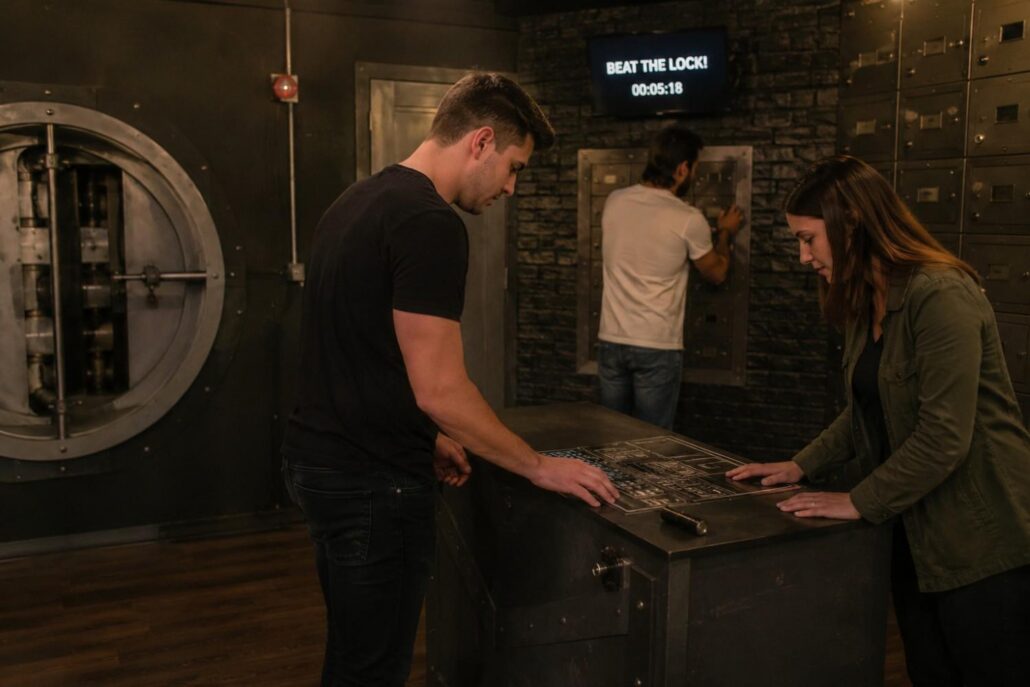
Escape room design in Buford helps Paranoia Quest make each experience feel unique. Guests can explore laboratories, magical worlds, mines, murder mysteries, prisons, heists, and pirate adventures.
Each room has its own theme, rules, length, challenge level, and group limit. Some experiences may also have age guidance. Visitors should review each room’s current details before booking. This helps every group choose an adventure that fits its needs.
Step Into a Story Built for Adventure!
See how creative escape room design can turn clues, sets, sound, and teamwork into a full adventure. Explore the themed rooms at Paranoia Quest in Buford and choose the experience that fits your group. Check the age guide, player limit, game length, and challenge level before booking.
Ready to plan your visit? Contact us today to ask questions, learn more about each room, or book your next escape room adventure at the Mall of Georgia.
FAQs
1. What makes Paranoia Quest’s escape room design unique?
Paranoia Quest connects each room’s story, puzzles, props, lighting, sound, and setting. These details help players feel part of the mission instead of simply solving random clues.
2. Which rooms appear in the video tour?
The video features Project Genesis: Serum 121, Wonderland, The Dig, and Origins: The Zodiac Files. Each room uses a different theme, story, and style of play.
3. Are the escape rooms suitable for all ages?
Not every room is suitable for every age group. Some games have mature themes, suspense, dark spaces, or special age rules. Review the room details before booking.
4. Does every room include physical features?
Some rooms may include movement, unusual paths, slides, or other physical features. The experience can vary by room and player. Contact Paranoia Quest if anyone in your group has mobility concerns.
5. How can I choose the right room?
Check the theme, challenge level, game length, player limit, and age guidance. You can also contact Paranoia Quest for help choosing an adventure that fits your group.